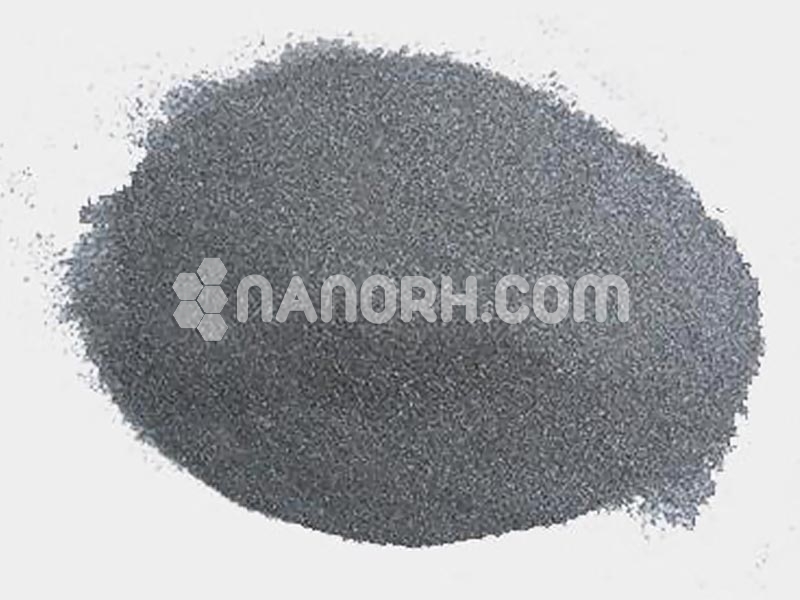
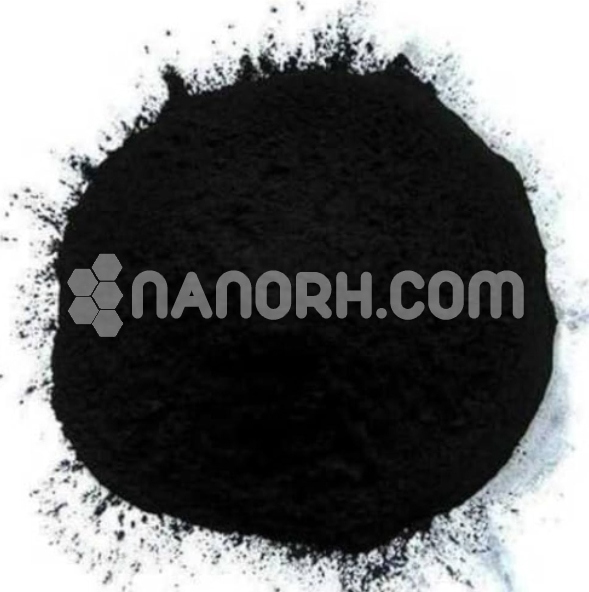
Carbon Black Powder
Carbon Black Powder
| Carbon Black Powder | ||
| Product No | NRE-801001-1 | |
| Item | Unit | Results |
| Volatile matter | % | <0.2 |
| Toluene precipitate | % | <0.1 |
| Volume resistivity | Ohm.cm | <500 |
| Resistivity | Q∙m | ≤2.5 |
| BET | m2/g | 260 |
| Oil absorption | ml/100g | 105 |
| Moisture | % | 0.01 |
| Bulk density | kg/m3 | 105 |
| 325 mesh/45um remaining | ppm | <100 |
| Ash | % | <0.3 |
| Sulfur | % | 0.02 |
| PH | 7-9 | |
Carbon Black Powder
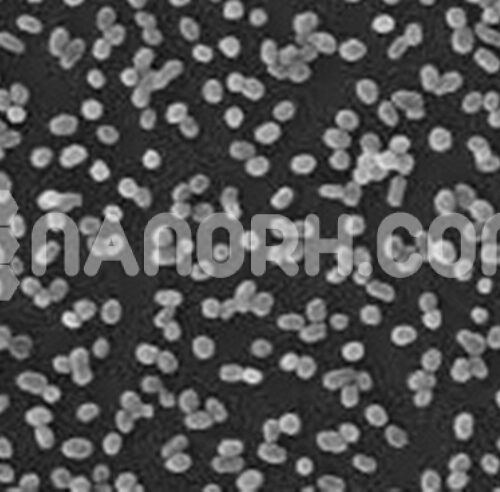
Carbon black powder is a fine particulate form of nearly pure carbon produced by incomplete combustion of hydrocarbons. It has a very high surface area and strong reinforcing, conductive, and pigment properties, which make it widely useful across industries.
Applications of Carbon Black Powder
- Rubber Industry (Major Use)
- Reinforcing filler in tyres (cars, trucks, aircraft)
- Improves tensile strength, abrasion resistance, and durability
- Used in conveyor belts, hoses, seals, and gaskets
- Plastics Industry
- Acts as a black pigment
- Provides UV protection to polymers (prevents degradation from sunlight)
- Improves conductivity in antistatic plastics
- Coatings & Paints
- Used as a black pigment in industrial paints, inks, and coatings
- Enhances opacity, color depth, and UV resistance
- Common in automotive and protective coatings
- Ink & Printing Industry
- Essential pigment in printing inks, toner, and packaging inks
- Provides deep black color and good dispersion properties
- Batteries & Energy Storage
- Used in lithium-ion batteries and dry cells
- Improves electrical conductivity of electrodes
- Electrical & Electronics
- Used in antistatic materials and conductive plastics
- Helps prevent electrostatic discharge (ESD) in sensitive devices
- Construction Materials
- Added to asphalt for road construction (improves UV resistance and durability)
- Used in concrete coloration and protective coatings
- Rubber Conductive Applications
- Used in EMI shielding materials
- Helps in making conductive rubber components
- Specialty Applications
- Photovoltaic and solar cell components (conductive layers)
- Catalyst support in some chemical processes
Agriculture films (UV protection mulch films)